
Brainsway Deep Transcranial Magnetic Stimulation For Depression Coming to U.S.

Brainsway, having won FDA clearance at the beginning of the year for its Deep TMS (transcranial magnetic stimulation) system as a treatment option for drug resistant major depressive disorder, is about to begin shipments of its device in the U.S. Deep TMS sets ups highly focused magnetic fields within a special helmet to target specific […]
Scientists Discover Way to Tune Deep Brain Stimulation Therapies
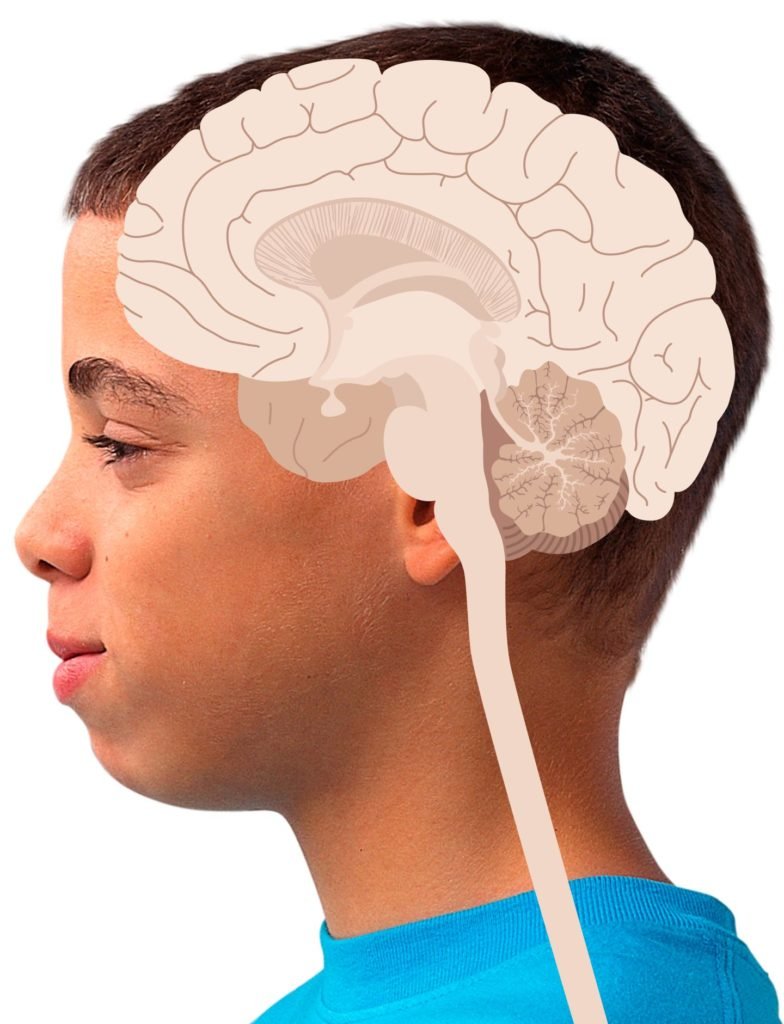
Deep brain stimulation (DBS) is already being used to treat all kinds of mental disorders, including depression and addiction, and some neurological diseases, such as Parkinson’s. The technology is still in its early stages, since physicians have a great deal of difficulty achieving consistent results. Scientists at the Picower Institute at MIT have now found […]
Digital Strait Jacket Helps Diagnose Mental Disorders

In the old days, straight jackets were only used to restrain psych patients, but thanks to researchers at the University of California, they may now be used to identify unique behavior patterns for more accurate diagnosis. Researchers at the University of California, San Diego (UCSD), are using a novel device to study the behavior of […]
Lesions in the Landscape: A Psychology Art Project on Amnesia

Lesions in the Landscape: A Psychology Art Project on Amnesia
Artificial Intelligence to Speed up Alzheimer’s Disease Research

Researchers from UC Davis and UC San Francisco have developed a new artificial intelligence tool to scale up Alzheimer’s research. They have created a deep learning system to identify amyloid plaques in brain slices of patients, spotting specific subtypes of Alzheimer’s disease, in the process enabling precision medicine and faster research. The team used a […]
Transcranial Magnetic Stimulation for Schizophrenia?

Transcranial magnetic stimulation (TMS), an emerging technology that uses an alternating magnetic field to influence electrical activity of the brain through magnetic induction, is now being investigated for treatment of hallucinations in schizophrenia. From Yale School of Medicine: “It appears that stimulating populations of neurons once per second with TMS over many minutes modestly reduces […]
iPrognosis Looking at People’s Behaviors to Find Signs of Parkinson’s

iPrognosis Looking at People’s Behaviors to Find Signs of Parkinson’s
Ethical Dilemmas in the Pandemic
Ethical Dilemmas in the Pandemic | Psychiatric News
Ultrathin Needle for Delivering Drugs to Specific Brain Regions

Researchers at MIT have developed a miniaturized cannula that employs a needle as thin as a human hair to directly deliver drugs to highly specific brain regions, even as small as one cubic millimeter. This direct dosing approach could allow doctors to target specific brain circuits, potentially helping to reduce side-effects in the rest of […]
Why Are Psychiatrists Hesitant to Refer Patients For Interventional Treatments?

Why Are Psychiatrists Hesitant to Refer Patients For Interventional Treatments? | Psychiatric News
Developing Regional Mental Health Priorities: Mixed-Methods Needs Assessment of Eight States in the Southeastern United States

Developing Regional Mental Health Priorities: Mixed-Methods Needs Assessment of Eight States in the Southeastern United States | Psychiatric Services
Bedside Test Accurately Predicts 6 Year Risk of Dementia

The Mini Mental Status Exam (MMSE) and the Saint Louis University Mental Status Examination (SLUMS) are excellent screening tools for patients with a likely diagnosis of dementia. However, doctors have been unable to accurately identify those patients who are at risk of cognitive decline in the near future. Apparently, that has just changed thanks to researchers at the San […]
St. Jude Begins Trial of Deep Brain Stimulation for Depression

St. Jude Medical just received an Investigational Device Exemption (IDE) from the FDA that will allow the company to proceed with an extensive clinical trial of deep brain stimulation for the treatment of depression in patients that have failed other available forms of therapy. Drs. Mayberg and Lozano conducted the first study of deep brain stimulation […]
External Trigeminal Nerve Stimulation Shown to Help PTSD Sufferers
Clinical researchers at UCLA have been testing an electronic patch from NeuroSigma, an LA, CA firm, as a potential therapy for post-traumatic stress disorder (PTSD). The Monarch external trigeminal nerve stimulation (eTNS) device has received European approval to be used to address epilepsy, depression, and recently attention deficit hyperactivity disorder (ADHD). It’s powered by a standard 9-volt battery and […]
Do You Care About Human Rights? Make Your Pledge Now

Do You Care About Human Rights? Make Your Pledge Now | Psychiatric News
Combing for Clues to Anorexia and Bulemia

The tangled path the GI tract now leads through … hair. It turns out our durable and always-fashionable scalp adornment acts as a mirror of our eating habits, and can help determine whether patients are hiding some serious behaviors: “Your body records your eating habits in the hair. So, we can use that to tell the […]
Assembly Approves New Diagnosis of Prolonged Grief Disorder for DSM-5-TR

Assembly Approves New Diagnosis of Prolonged Grief Disorder for DSM-5-TR | Psychiatric News
Stimulating the Brain with Magnetic Fields Can Control Movement
Stimulating the Brain with Magnetic Fields Can Control Movement
Physician-Assisted Death Becomes Flashpoint in End-of-Life Care
Physician-Assisted Death Becomes Flashpoint in End-of-Life Care | Psychiatric News
Telepsychotherapy: The New Normal

Telepsychotherapy: The New Normal | American Journal of Psychotherapy
Implant Simultaneously Reads and Stimulates Brain to Control Parkinson’s, Other Diseases
Electrical stimulation may serve to treat a variety of brain-related conditions, and there are already a number of products that help to control Parkinson’s, essential tremor, addiction, and depression. Though there’s a considerable ongoing progress, most of the currently available technologies are not very smart and certainly can’t measure brain activity and respond to it […]
MRI Lie Detection System Under Development; Liars: “We’re Not Worried”
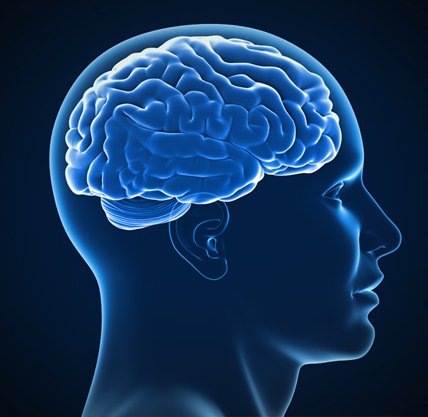
The San Francisco Chronicle brings us news of a San Diego area company called No Lie MRI which hopes to make lying obsolete. The group uses fMRI to examine whether the subject’s brain has activity in regions associated with real memories or more “creative versions” of the truth. Already NLMRI claims to have 50 customers: Ensconced in an MRI […]
Scale-Up Study Protocol of the Implementation of a Mobile Health SBIRT Approach for Alcohol Use Reduction in Mozambique
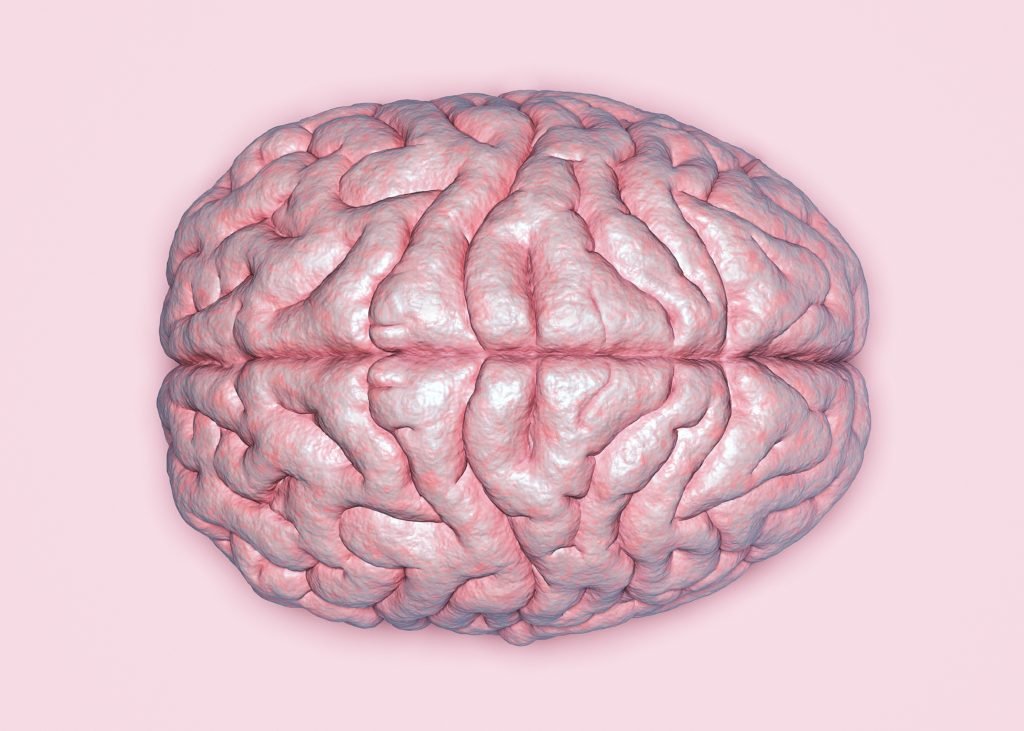
Scale-Up Study Protocol of the Implementation of a Mobile Health SBIRT Approach for Alcohol Use Reduction in Mozambique | Psychiatric Services
APA, MH Groups Agree on Principles to Improve Care of SMI
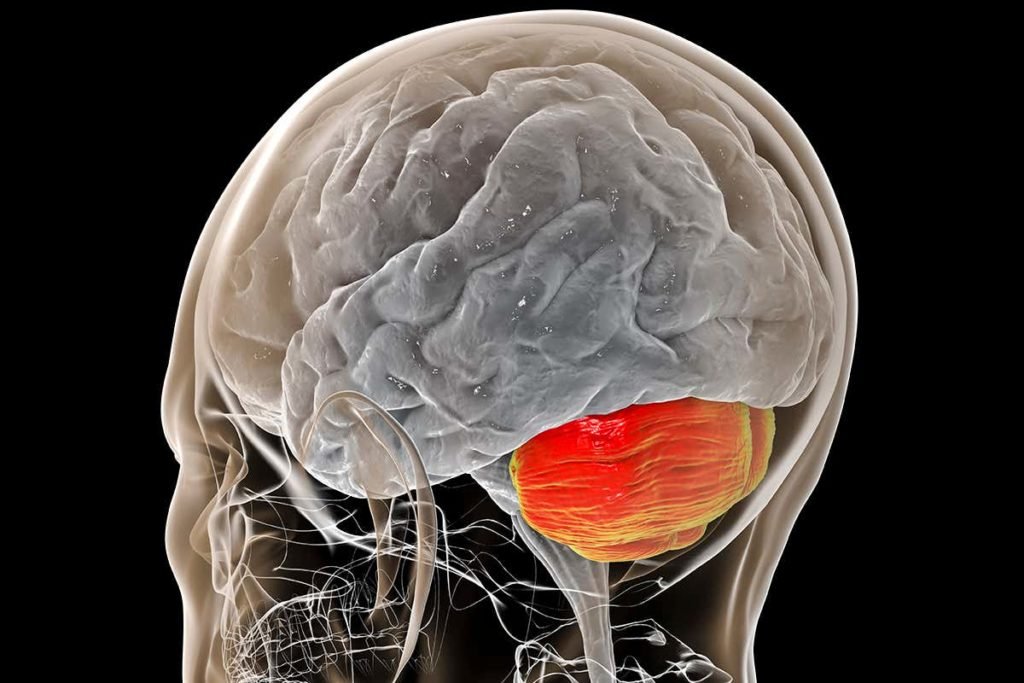
APA, MH Groups Agree on Principles to Improve Care of SMI | Psychiatric News
Functional Connectome Prediction of Anxiety Related to the COVID-19 Pandemic

Functional Connectome Prediction of Anxiety Related to the COVID-19 Pandemic | American Journal of Psychiatry
Microchip Detects Stress Hormone from Drop of Blood

Researchers at Rutgers University have developed a microchip that can perform real-time measurements of stress hormone levels in a drop of blood. The technology could provide a replacement for bulky and expensive lab tests for such hormones, and allow patients to monitor their stress levels more easily. The chip includes tiny wells that contain antibodies, […]
“Sleights of Mind” at NYT

The New York Times has a fascinating article about the mind’s perception of reality, and how magicians and visual artists exploit these characteristics to make us see things we do not. It was Sunday night on the Las Vegas Strip, where earlier this summer the Association for the Scientific Study of Consciousness was holding its annual […]
Long-Term Impact of COVID-19 on Children, Adolescents Constitutes Public Health Emergency
Long-Term Impact of COVID-19 on Children, Adolescents Constitutes Public Health Emergency | Psychiatric News
APA’s Government, Policy, and Advocacy Update (September 2021)
APA’s Government, Policy, and Advocacy Update (September 2021) | Psychiatric News
Magnetic Brain Stimulation for Cocaine Addiction, Multiple Sclerosis?
Brainsway Inc., a Jerusalem, Israel firm that develops deep transcranial magnetic stimulation (TMS) machines, has announced receiving approval from the US National Institute on Drug Abuse (NIDA) to conduct a trial of its product to test whether the system can be used to treat cocaine addicted patients. Additionally, the company plans to test its device in […]
“Curb Your Enthusiasm” As Clinical Tool

The New Yorker has a short article on psychiatrists showing television sitcoms to schizophrenic patients, and then discussing with them the awkward social situations that are often displayed. There is some evidence that patients can more easily relate to situations they see on television. David Roberts, a second-year clinical-psychology student at the University of North Carolina […]
Ebb Insomnia Therapy System Cools Front of Head to Help Stop Racing Thoughts
A new sleep therapy system is coming to market that works by cooling the frontal lobe. The technology is rooted in some evidence that less activity in the front of the brain is linked to better sleep. It seems related to “racing thoughts” that people sometimes experience while trying to sleep, the slowing of which […]
“It’s like hooking up patients to a car battery”

As far as psychoactive medications have come in the last twenty years, we suspect there’s even more greatness ahead for non-medical psychiatric interventions, specifically, magnetism and our old friend, electricity. Boing Boing points us to a nice overview: Vagus nerve stimulation isn’t the only technology being touted for treatment of the severely depressed. Another technique, repetitive […]